
What is the Warmer Kiwi Homes grant? The Warmer Kiwi Homes program is a New Zealand government initiative that covers up to 80% to 100% of the cost of ceiling and underfloor insulation, as well as highly efficient heat pumps, for eligible low-income homeowners. In 2026, this grant continues to help thousands of Kiwis reduce their winter energy bills and live in healthier homes.
As the New Zealand winter approaches, the cost of heating an uninsulated, damp house becomes one of the largest financial burdens for standard Kiwi families. Running old, inefficient electric plug-in heaters can easily push a monthly power bill well over $400, adding massive strain to households already battling the broader cost of living crisis.
Fortunately, you might not have to pay thousands of dollars out of pocket to fix the problem. The Energy Efficiency and Conservation Authority (EECA) runs a heavily subsidized grant that effectively forces the government to foot the bill for your home’s thermal upgrade.
Before you lock into a high-interest personal loan to buy a new heater, or start researching how to balance your household budget this winter, you must check your eligibility for this specific program. In this comprehensive 2026 guide, we break down exactly who qualifies for free insulation, how to apply for the heat pump subsidy, and the specific geographical zones that make approval much easier.
Who is Eligible for the Warmer Kiwi Homes Grant in 2026?
The Energy Efficiency and Conservation Authority (EECA) has strict criteria to ensure the funding reaches the New Zealanders who need it the most. To qualify for the subsidy, you must meet all of the following base requirements:
- You must own and live in the home: This grant is exclusively for owner-occupiers. It does not apply to rental properties or holiday homes.
- The home must have been built before 2008: Houses built after this date are generally subject to modern building codes that already require adequate insulation.
The Financial & Geographic Criteria
Meeting the base requirements is only the first step. To unlock the 80% to 100% funding, you must also meet one of these two specific conditions:
- You hold a valid Community Services Card (CSC) or a SuperGold combo card.
- OR you own and live in a home located in an area identified as lower-income (Decile 9 or 10 on the New Zealand Deprivation Index).
💡 Pro Tip: The “Community Top-Up” Secret
While the EECA officially covers 80% of the cost, many local community trusts and charitable organizations across New Zealand (such as Foundation North or local energy trusts) provide “top-up” funding. If you live in one of these generous regions, your insulation or heat pump installation could literally be 100% free with absolutely zero out-of-pocket costs.
What Exactly Does the Grant Cover?
If you are approved, the funding is split into two distinct phases. It is crucial to understand that the government prioritizes keeping the heat inside your house before they will help you generate it.
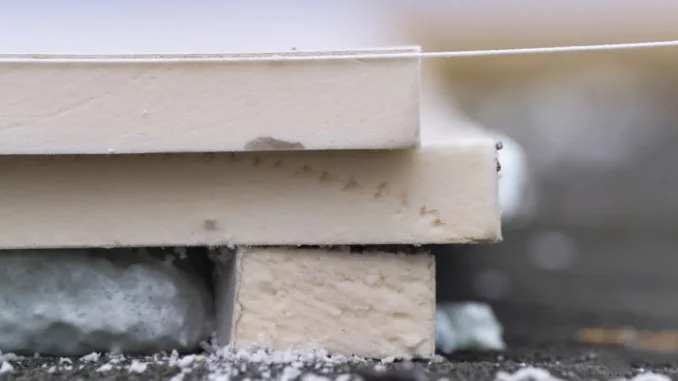
Phase 1: Insulation. The grant heavily subsidizes ceiling and underfloor insulation. Wall insulation is incredibly expensive and invasive to retrofit, so it is generally not covered by this program.
Phase 2: Heating. Once your home is properly insulated to EECA standards (or if it already is), you can apply for a heating grant. This covers up to 80% of the cost (capped at a specific maximum amount, usually around $3,000) for a highly efficient heat pump, a clean-burning wood burner, or a pellet burner for the main living area.
Can Renters or Landlords Apply?
No. The Warmer Kiwi Homes program is designed strictly to help low-income families who own the homes they live in.
If you are renting a cold, damp house, your landlord is legally obligated under the Healthy Homes Standards to ensure the property meets strict insulation and heating requirements. Because landlords operate property as a profit-generating business, the government does not subsidize these mandatory legal upgrades through the Warmer Kiwi Homes grant. Landlords must pay for these improvements themselves.
Final Verdict: How to Claim Your Free Insulation
The absolute worst thing you can do is hire an independent contractor, pay thousands of dollars out of pocket, and then try to send the bill to the government. The Warmer Kiwi Homes grant does not work like a post-purchase tax refund.
Your Action Plan for 2026: You must apply before any work begins. Go directly to the official EECA Warmer Kiwi Homes online tool and enter your home address. If the tool confirms your geographical or financial eligibility, it will provide a list of registered, government-approved service providers in your area. Contact one of these specific companies. They will come to your house for a free assessment, provide a quote, and handle 100% of the government paperwork for you. All you have to do is pay the remaining 20% balance—or nothing at all, if a community trust is topping you up.
Frequently Asked Questions About the EECA Grant
Can I get a heat pump if my house is not insulated?
No. The EECA strictly mandates an “insulation-first” approach. You will not be approved for a heat pump grant unless your home already has adequate ceiling and underfloor insulation installed to modern standards. If it doesn’t, you must apply for the insulation grant first.
Are gas heaters or panel heaters covered by the 2026 grant?
No. The New Zealand government is actively phasing out fossil fuels and highly inefficient heating methods. The grant only covers highly energy-efficient electric heat pumps, or approved clean-burning wood and pellet burners for the main living area.
Will the government check my income for the grant?
If you are applying based on holding a Community Services Card (CSC), the Ministry of Social Development has already verified your income. If you are applying based on living in a designated low-income geographic area (Decile 9 or 10), your personal income is actually not checked; eligibility is based entirely on the address of the property.




Be the first to comment