
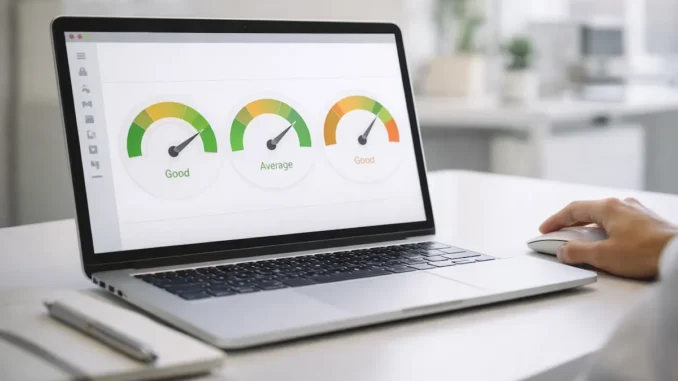
Did you know that in New Zealand, you don’t just have one credit score—you have three? And depending on which lender you apply to, the score they see might be completely different from the one you checked on your phone this morning.
The New Zealand credit reporting landscape is dominated by three main bureaus: Centrix, Equifax, and Illion. While they all aim to measure your financial reliability, they use different algorithms and data sources. This explains why you might have a “Good” score with one bureau but an “Average” score with another.
Understanding how these agencies work is critical. A “declined” application from a bank usually stems from a negative flag on one of these specific reports.
In this guide, we decode the “Big 3,” explain Comprehensive Credit Reporting (CCR), and show you how to check your files for free without damaging your score.
The Big 3: Who Are They & How Do They Differ?
In New Zealand, lenders can choose which bureau to check, or they might check all three. This is why it is crucial to know your standing with each one.
- Centrix: The only NZ-owned bureau. It has gained massive popularity recently because it includes utility data (power, broadband) and allows consumers to check their score for free easily.
- Equifax: Formerly known as Veda, this is the global giant. Most major banks (ANZ, Westpac, etc.) rely heavily on Equifax data for mortgage lending.
- Illion: Formerly Dun & Bradstreet. They often focus on comprehensive data collection and are frequently used by telecommunications and utility companies.
Understanding Your Score (0 – 1000)
While each bureau has its own algorithm, they generally follow a 0 to 1000 scale. The higher the number, the lower the risk you pose to a lender.
| Score Range | Rating | What It Means for You |
|---|---|---|
| 0 – 299 | Low / Poor | High risk. Likely to be declined by banks. May need specialized bad credit loans. |
| 300 – 499 | Fair | Borderline. Interest rates will be higher. Defaults might be present. |
| 500 – 699 | Good | Standard approval territory. Most personal loans are approved here. |
| 700 – 1000 | Excellent | VIP status. Access to the lowest interest rates and premium credit cards. |
Comprehensive Credit Reporting (CCR): The Game Changer
Years ago, credit reports only recorded the bad stuff: defaults and bankruptcies. Today, New Zealand uses Comprehensive Credit Reporting (CCR). This means “positive” behavior is also tracked.
Paying your power bill, phone bill, or credit card on time every month improves your score. Conversely, missed payments on seemingly small things can hurt it. This is particularly important for modern services; many Kiwis don’t realize the negative impact of Buy Now Pay Later services on their ability to get a mortgage if payments are missed.
What If My Score Is Wrong?
Mistakes happen. A utility company might accidentally list a debt you already paid, or a fraudulent application might appear on your file. If you see a “default” that shouldn’t be there, you have the right to challenge it.
Cleaning up your report is the fastest way to boost your score. Learn more about the specific steps in our guide on how to remove defaults from your credit report.
Final Verdict: Don’t Fly Blind
Your credit score is your financial passport in New Zealand. Whether you are applying for a mortgage, a car loan, or even just a mobile plan, lenders will judge you based on the data held by Centrix, Equifax, and Illion.
The best strategy? Check your own credit file first. In New Zealand, you are legally entitled to a free copy of your credit report from each bureau. Review it for errors, unauthorized inquiries, or old defaults that should have been removed. Taking control of this data is the single most effective step towards financial freedom.
Next Steps: If you found a black mark on your file, don’t panic. Read our guide on repairing your credit history or learn how Buy Now Pay Later apps might be silently hurting your score.
Frequently Asked Questions
How can I check my credit score for free in NZ?
You can check your credit score for free through several services. Centrix offers a free report directly on their website. For Equifax, you can use their “MyCreditFile” service. For Illion, third-party apps like Credit Simple often provide free access to your data.
What is considered a “Good” credit score in New Zealand?
Generally, a score above 500 is considered average to good. A score above 700 is excellent and will unlock the best interest rates. Anything below 300 is considered high risk, often requiring specialist lending solutions.
Do utility bills affect my credit score?
Yes. Under the Comprehensive Credit Reporting (CCR) system, positive payment history for power, gas, and broadband bills can improve your score. However, missing these payments consistently will lower it.
How long do defaults stay on my credit file?
In New Zealand, a default (overdue debt) stays on your credit report for 5 years. Even if you pay the debt later, the record of the default remains but is marked as “paid,” which looks better to lenders than “unpaid.”




2 Trackbacks / Pingbacks