
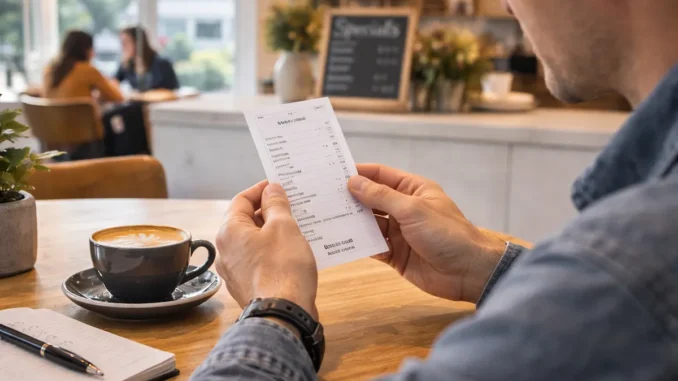
Are public holiday surcharges legal in New Zealand? Yes. It is completely legal for cafes and restaurants to add a surcharge (typically 15%) on public holidays. However, under the Fair Trading Act, businesses must clearly and explicitly communicate this extra fee to the customer before any transaction takes place. If there is no clear signage, they cannot legally force you to pay the surcharge.
Nothing ruins a relaxing long weekend quite like ordering a simple flat white and a smashed avocado, only to find a surprise 15% penalty tacked onto your final bill. Whether it is Easter weekend, ANZAC Day, or Labour Day, the public holiday surcharge is one of the most hotly debated topics across New Zealand.
For many Kiwis, it feels like daylight robbery. But for hospitality business owners, this extra charge is often the only way they can afford to keep their doors open while legally paying their staff “time and a half” wages and providing an alternative day off.
As dining out becomes an increasingly rare luxury, protecting your hard-earned money is essential. Before you decide to skip the cafe entirely and check out our Costco vs Pak’nSave grocery comparison to cook at home, you need to know your rights. In this 2026 consumer guide, we explain exactly what cafes can legally charge, the strict rules around surcharge signage, and what to do if you are unfairly billed.
Why Do Cafes Charge 15% Extra on Holidays?
Before we dive into the legal rules, it is important to understand why the cafe surcharge public holiday nz exists in the first place. Under the New Zealand Holidays Act 2003, if an employee works on a statutory public holiday (like Christmas Day, Waitangi Day, or Matariki), their employer is legally obligated to pay them “time and a half” (1.5 times their normal hourly rate).
Furthermore, if that day is an otherwise normal working day for the employee, the business must also give them a paid Alternative Holiday (another day off in the future). This effectively doubles the labor cost for the business on that specific day. The 15% surcharge is designed to absorb these massive wage increases so the cafe does not have to operate at a loss.
The Fair Trading Act: The “No Surprises” Rule
While businesses have the right to charge extra, you have the absolute right to know about it before you order. According to the Commerce Commission surcharge rules, any additional fees must be clearly and prominently disclosed to the customer before the transaction takes place. This falls under the Fair Trading Act’s regulations against misleading pricing.
A cafe cannot legally advertise a flat white for $6 on their menu and then silently charge your card $6.90 at the till. They must notify you through at least one of these clear methods:
- A highly visible sign placed directly on the front counter or by the EFTPOS machine.
- A clear, prominent written notice at the top or bottom of the printed menu.
- The waitstaff verbally informing you of the surcharge before taking your order.
⚠️ Your Consumer Right to Refuse
Do I have to pay public holiday surcharge if there was no sign? Absolutely not. If you order your meal, eat it, and only discover the 15% surcharge when the receipt is handed to you at the register, the business has failed to communicate clearly under the Fair Trading Act. You are completely within your legal rights to refuse to pay the extra fee and insist on paying only the advertised menu price.
Weekends Are Not Public Holidays
A common frustration among Kiwis is seeing a surcharge applied on a standard Saturday or Sunday. It is critical to know that normal weekends are not statutory holidays. Unless a recognized public holiday (like Easter Sunday or Waitangi Day) officially falls on that specific weekend, charging a “weekend surcharge” is highly unusual in New Zealand and must be heavily publicized by the business to avoid breaching public holiday surcharge nz rules.
Final Verdict: Check Before You Tap
Public holiday surcharges are a legal and necessary tool for New Zealand’s hospitality sector to survive the massive wage increases mandated by the Holidays Act. However, businesses do not have a free pass to spring these charges on you by surprise.
Your Action Plan for 2026: The next time you walk into a cafe on a public holiday, make a habit of scanning the front counter or the EFTPOS machine for a surcharge sign. If you do not see one, politely ask the staff before you place your order. If a business tries to force a hidden 15% surcharge onto your bill after you have eaten, politely decline to pay the extra amount, citing the Fair Trading Act. If they refuse to adjust the bill, pay the advertised menu price and report the business directly to the Commerce Commission.
Frequently Asked Questions About NZ Surcharges
Can I legally refuse to pay a public holiday surcharge?
You can only legally refuse to pay the surcharge if the business failed to clearly disclose it to you before you made your purchase. If there was a clear sign on the counter or menu, you are legally bound to pay it once you order.
Do food delivery apps like UberEats charge a public holiday fee?
Yes. Most restaurants pass their 15% public holiday surcharge directly onto the consumer through delivery platforms like UberEats or DoorDash. This is perfectly legal as long as the fee is clearly shown on the final checkout screen before you confirm payment.
How do I report a New Zealand cafe for hidden surcharges?
If you believe a business has breached the Fair Trading Act by hiding their surcharges, you can lodge an official complaint online through the New Zealand Commerce Commission website. They investigate businesses that actively mislead consumers about pricing.




Be the first to comment